The Rise of eSports Physicality
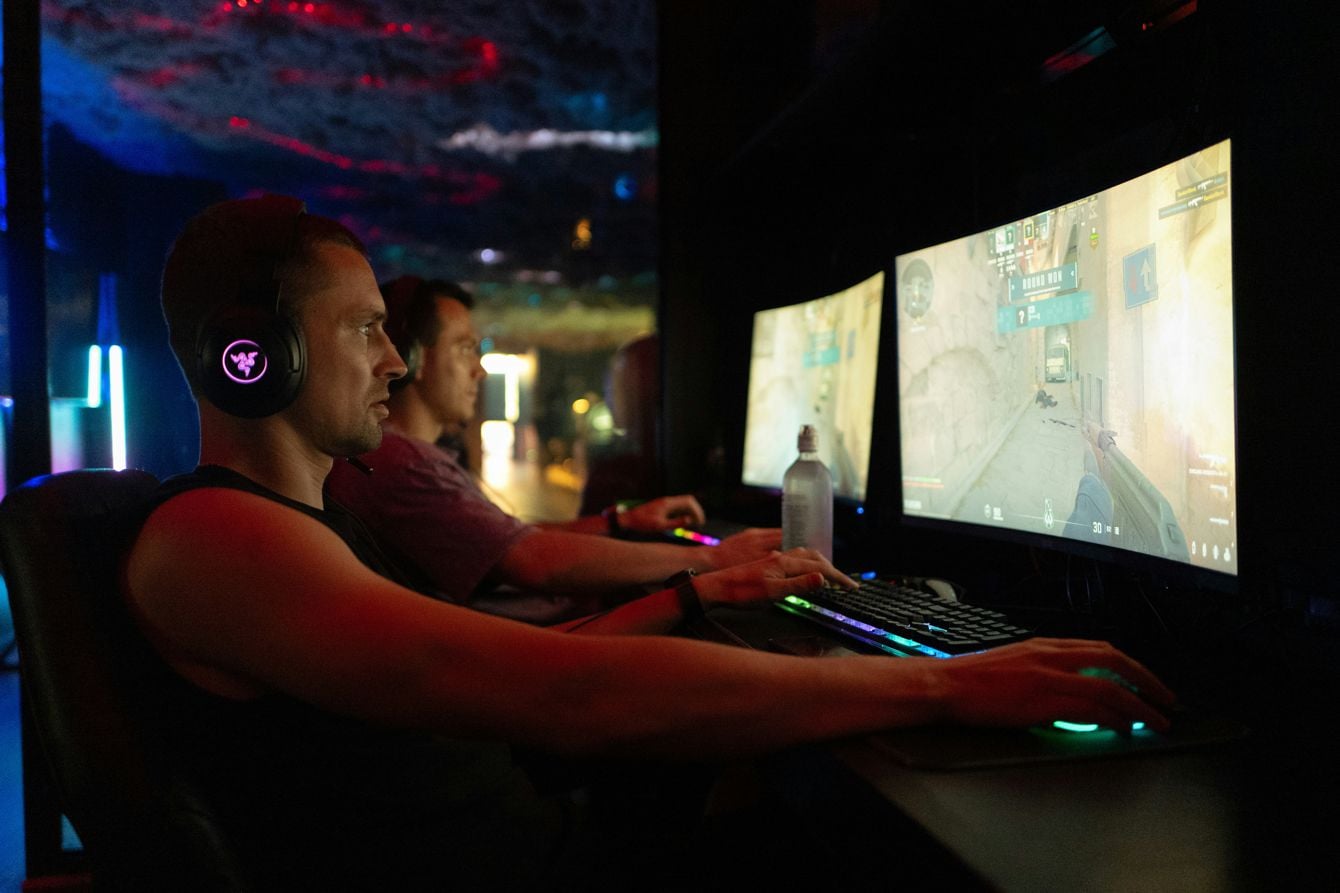
Despite the significant growth of eSports in recent years, it’s still not taken seriously by a lot of people. They’ll say it’s just sitting on a chair, playing video games. What’s so hard about that, right?
Well, it’s clear that they’ve never actually watched a professional match up close, when the stakes are high. Players are all absolutely drenched in sweat, their hands shaking, the crowd going bananas, it’s just like any other so-called ‘real’ sport.
eSports is Big Business
Let’s start by clearing up any ideas about eSports not being a ‘real’ sport. Whatever you think about video games, this is a big business. Companies, fans, and players take it seriously, which is enough to legitimize eSports as a proper enterprise.
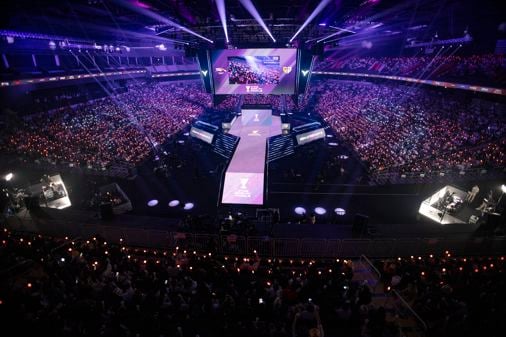
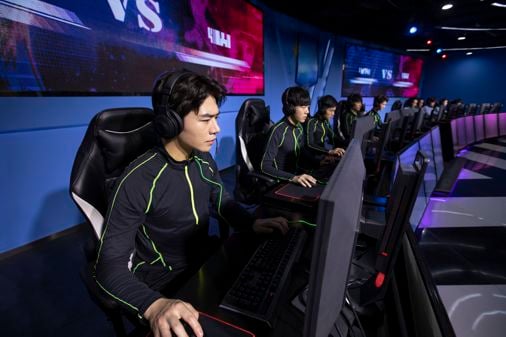
Teams have even designed custom kits , professional logos, marketing teams, and everything you’d see in any other sport. This isn’t amateur hour or a side hustle for players. It’s a legitimate career, with global fans, a growing industry, and a lot of money being pumped into the sport.
And it’s not just the interest that’s expanding, it’s also the demand for players. When you’re competing in eSports , it’s not quite the same as sitting in the basement playing with your buddies.
The ‘Just Sitting’ Myth
eSports is playing video games, sure. And when you watch a game on screen, it’s the same game you play when you’re online as an amateur. There’s no sprinting at full pelt, no tackling, it’s not an impact sport. When it’s a non-crowd event, the top players often prefer to be in a completely quiet room. But would you compare your Sunday 5-a-side soccer game or your weekend pick-up basketball to Messi or Lebron?
Exactly. It’s not a fair comparison.
A lot of the effort is internal, a mental exercise above all. Yet the physicality is there. Movement stacks up on a micro level, the pressure on the body is high, and there is no margin for error.
Compared to traditional sports, there’s a lot of overlap. Players have gruelling training schedules to ensure they have every single movement down, with all eventualities considered and prepared for. There’s coaching, with training regimens that repeat moves over and over, with few breaks.
When players travel for events, they have to take sleep and fatigue into account, along with ensuring that they bring their eSports gear and accessories. And with games often worth thousands of dollars, often into the six figures, there’s real performance anxiety.
So, no, eSports is not just sitting around playing video games. There’s a lot more to it, especially at the top, top level.
What Happens to the Body During eSports
The body reacts to competitive play in the same way you’d see during a stressful event. Not because what’s happening is dangerous, but because the brain is reacting to a competitive, high-stress environment.
Even during a regular video game session in a non-competitive environment has measurable effects on the body. For example, a study conducted in the United States found significant increases in blood pressure and heart rater. Now, just imagine playing in a situation where the game actually matters.
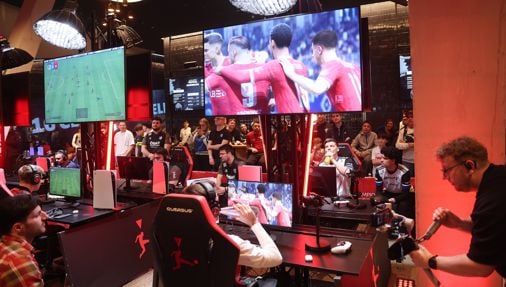
Tournaments also tend to take place in warm environments, with a lot of people (and gear) generating a lot of heat. It’s almost like a server room, with the amount of computing power available. Sweating is common, even with small movements during competitions.
Dehydration is also a common issue. Some novices focus on energy drinks, forgetting to stay properly hydrated. They’ll forget to drink, being fully focused on the game, and avoid leaving their setup. It’s a mistake that could lead to discomfort and potential health issues.
Sitting for hours, holding a single posture, creates back problems. It’s a static load that seems inconsequential, but can cause neck and upper back issues, even during a single match.
The Risk in the Routine
Single matches are not always the problem. Usually, players can handle a session without issue, even if it’s a competitive game. But the body can’t handle repetitive load unless you take preventative measures.
The gaming season can be grueling, really. It’s consecutive months of strain on the body. Late nights and long practice days. And strain on the muscles without enough time to rest, and little sleep in uncomfortable hotels. Overuse injuries are therefore incredibly common: wrist pain, tendon irritation, shoulder tightness, and numbness in the fingers. These are the types of injuries recreational players and office workers tend to see, but here it’s at hyper speed.
Everything that’s required around the sport is also something that takes a toll on the body. Just ask NBA players who have to play back-to-backs, often having to fly from one end of the country to another. Time zone changes, dry hotels, beds that you’re not used to, and ultraprocessed foods that don’t recharge you in the way you need.
Both the mental and physical load are something that players often can’t handle in the long-term. It’s why many professionals quit in their 20s, often long before players in other sports. The body and mind have a limit, even when you’re making hundreds of thousands of dollars.
Performance Habits to Reduce Physical Stress
The top players build habits that stack to optimize performance. Each item may only have a small effect, but together, they make the difference between winning and losing.
Before a session starts, players who are serious about their craft have a proper warm-up session. That’s 2-3 minutes of wrist circles, finger flexion, shoulder rolls, and forearm preparation, ready for a long gaming session.
During training, players take breaks every few rounds. During queues, 30-60 seconds of quick stretching and walking around is standard. Shake out the shoulders, stretch out the fingers, and look into the horizon to rest the eyes.
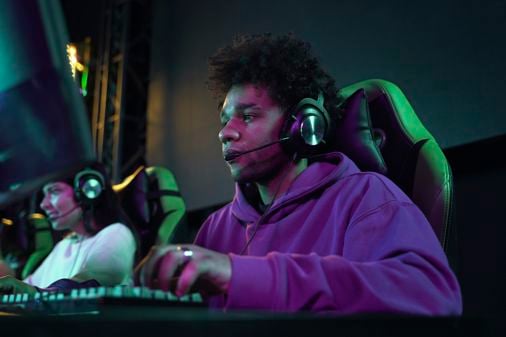
The right kit is also important. If you wear a standard thick cotton t-shirt, you’ll be uncomfortable real quick. Those cheap 100% polyester tees also tend to overheat. Professionals go for customized eSports jerseys, built for optimal moisture wicking and comfort.
To some, these measures seem small and insignificant. But even amateur players who join the occasional tournament need to put comfort and health near the top of the priority list.
eSports is Not Effortless
It’s not soccer or boxing. It’s not like any other sport, really. Yet it’s exactly that which leads to physical problems for a lot of players, because they don’t take the process seriously, or they’re simply naive to proper preparation.
Stress spikes, dehydration, small strains to muscles and joints, all build over the weeks and months. There’s a reason why professional teams train properly, invest in rest and recovery, and worry about the 1% increments.
Image credits Title image: Unsplash / Raman Shaunia; Image 2: IMAGO / NurPhoto; Image 3: IMAGO / Blue Jean Images; Image 4: IMAGO / Pressefoto Baumann; Image 5: Magnific / Freepik